
Recommended: Best knife sharpening method — precision vs whetstones
Clear steps, pitfalls to avoid, and what actually works
The Yarenh Cleaver Knife is a versatile kitchen tool that deserves a closer look before making a purchase. Designed to tackle a variety of kitchen tasks, this cleaver combines traditional craftsmanship with modern materials to provide both power and precision. Whether you’re a professional chef or a home cook, understanding its design, features, and suitability for your cooking style is essential to ensure it fits your needs perfectly.
Unlike typical chef’s knives, the Yarenh Cleaver Knife offers a broader blade profile and heftier construction, making it ideal for chopping through tougher ingredients like bones and dense vegetables. However, its utility extends beyond brute cutting power, since the blade’s geometry and steel composition also allow for delicate slicing and dicing. Before investing in this particular cleaver, it’s worth considering how it compares to other knives in your collection, and how its specific features align with your culinary habits. For further insights into different kitchen knives and their best applications, you can explore our detailed guide on types of knives and their uses.


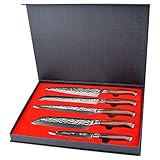

Last update on 2026-10-24 / Affiliate links / Images from Amazon Product Advertising API
See all Yarenh Knives on Amazon
What This Type of Knife Is Good For
The Yarenh Cleaver Knife excels at heavy-duty kitchen tasks. Its broad, flat blade is perfect for chopping through thick cuts of meat, including bones, making it invaluable for butchery tasks or preparing large cuts of pork or beef. It also handles large vegetables like pumpkins and squash with ease. Additionally, the weight and sharpness of the blade facilitate efficient crushing of garlic cloves or ginger. While the cleaver can be used for slicing and dicing, it is less nimble than thinner chef’s knives, so it’s best complemented by more delicate blades for precision tasks. For more on how blade shapes influence knife performance, check out our article on why blade shape matters more than brand.
Key Features to Look For
- 🔪 Blade Thickness: A well-balanced cleaver should have a blade thick enough to withstand chopping bones without bending, but not so thick that it becomes unwieldy.
- 🛠️ Steel Quality: High-carbon stainless steel or powder metallurgy steel ensures durability and edge retention.
- ⚖️ Weight Distribution: A slightly forward-heavy design aids in chopping tasks, reducing fatigue during extended use.
- 🖐️ Handle Material: Look for non-slip, ergonomic handles made from stabilized wood, micarta, or high-grade polymer.
- 🗡️ Edge Geometry: A convex or slightly curved edge provides a balance between chopping power and slicing ability.
Blade and Steel Notes
The Yarenh Cleaver Knife typically features a blade forged from high-carbon stainless steel, often with a Rockwell hardness rating around 58-60 HRC. This hardness level ensures a keen, long-lasting edge while maintaining reasonable toughness to resist chipping. The blade’s edge geometry often employs a flat grind that transitions into a slightly curved belly, allowing for both chopping and rocking motions. Compared to thinner, more delicate blades, this edge geometry sacrifices some finesse for greater durability. The steel is usually treated for corrosion resistance, an important factor for cleavers that frequently come into contact with moisture and acidic foods.
Ergonomics and Carry/Handling
Given its size and weight, ergonomics are critical for the Yarenh Cleaver Knife. It often features a well-contoured handle that fits comfortably in the hand, reducing slippage and improving control during heavy chopping. The balance point is typically located closer to the blade’s heel to maximize chopping momentum. However, due to its heft, extended use can lead to hand fatigue, so it is important that the handle provides adequate grip and cushioning. Unlike smaller knives, cleavers are not designed for pocket carry but should be stored safely in a knife block or magnetic strip when not in use.
Real-World Use Cases
Professional butchers and avid home cooks alike find the Yarenh Cleaver Knife indispensable for breaking down large cuts of meat or poultry. It’s particularly efficient for tasks such as splitting ribs, trimming fat, or cutting through cartilage. Vegetable enthusiasts will appreciate its capacity to slice through hard-skinned produce like squash or coconut husks. Additionally, its flat blade surface doubles as a tool for crushing ingredients or scooping chopped food. However, for fine mincing or delicate slicing, pairing this cleaver with a paring or utility knife is recommended.
Pros
- Robust and durable blade suited for heavy-duty cutting tasks
- Sharp edge with good retention, requiring less frequent sharpening
- Ergonomic handle designed for secure grip and control
- Versatile, suitable for both meat and vegetable preparation
- Corrosion-resistant steel enhances longevity and ease of maintenance
Cons
- Heavier weight can cause fatigue during prolonged use
- Larger blade size limits precision for small or delicate tasks
- Requires more storage space compared to smaller knives
- Not suitable for delicate slicing or fine garnishing
- Edge may need professional sharpening to maintain optimal performance
Who It’s Best For
The Yarenh Cleaver Knife is ideal for cooks who frequently handle large cuts of meat, including butchers and serious home chefs who value versatility and durability. It is also well-suited for those who regularly prepare dense vegetables or need a reliable tool for pounding and crushing ingredients. This cleaver is perfect for anyone seeking a multi-purpose kitchen knife that bridges the gap between heavy chopping and general kitchen prep. Beginners might find the weight challenging, so it’s best suited for users with some knife handling experience.
What to Watch Out For
When selecting a Yarenh Cleaver Knife, be mindful of blade thickness and weight to avoid cumbersome models that strain your wrist. Also, check the handle construction for durability and comfort—poorly finished handles can cause blisters or slippage. Be cautious of blades with overly thin edges, as these can chip when used on bones. Finally, verify the steel grade to ensure you receive a blade that balances edge retention with ease of sharpening. Considering these factors will help you avoid common pitfalls associated with cleavers.
Maintenance Tips
Maintaining the Yarenh Cleaver Knife involves regular honing to keep the edge sharp between uses. When the blade dulls, use a whetstone with medium to fine grit for sharpening, rather than electric sharpeners that may remove excess material. After washing, dry the cleaver immediately to prevent rust spots, especially if the steel is high-carbon. Occasionally oiling the blade and handle can prolong lifespan and preserve appearance. Store the cleaver securely in a knife block or with a blade guard to protect both the knife and your hands.
Final Thoughts
The Yarenh Cleaver Knife offers a powerful blend of strength, versatility, and craftsmanship that can elevate your kitchen performance. Its robust blade and ergonomic design make it an excellent choice for those who regularly prepare meat and hard vegetables, while its sharp edge and balanced weight provide surprising precision for a cleaver. Though it may not replace every knife in your set, it complements other blades by handling heavy-duty tasks with ease. By understanding its features, care requirements, and ideal use cases, you can confidently decide if the Yarenh Cleaver Knife is the right addition to your culinary toolkit.
Further Reading on Sagaknives
- Types of knives and their uses
- How often you should sharpen a Japanese knife
- Why blade shape matters more than brand
Last Updated on October 4, 2026