
Recommended: Best knife sharpening method — precision vs whetstones
A straightforward approach you can use today
The Kamikoto Kanpeki Knife Set stands out as a premium choice for culinary enthusiasts who value craftsmanship and precision. This set is often praised for combining traditional Japanese sword-making techniques with modern kitchen needs, offering both stunning aesthetics and exceptional cutting performance. However, before investing in this high-end collection, it’s important to understand its design, functionality, and how it fits into your kitchen routine compared to other options.
Featuring a range of knives designed to cover most kitchen tasks, the Kanpeki set showcases blade geometry and steel quality that appeal to both professionals and serious home cooks. Unlike mass-produced knives, each piece in the Kamikoto line is hand-crafted with meticulous attention to detail, which can justify the premium price point for those seeking longevity and sharpness retention. Learning more about its characteristics will help you determine whether it’s the right fit among the many types of knives available—such as those highlighted in our guide on types of knives and their uses.


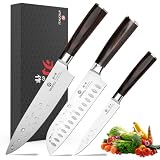
Last update on 2026-10-25 / Affiliate links / Images from Amazon Product Advertising API
See all Kamikoto Knives on Amazon
What This Type of Knife Is Good For
The Kamikoto Kanpeki knives excel in precision slicing, dicing, and chopping tasks that demand sharp edges and fine control. Their thin, razor-sharp blades are ideal for slicing delicate ingredients like sashimi, herbs, and fruits without crushing or tearing. The set typically includes a chef’s knife, a paring knife, and a utility knife, covering a broad spectrum of kitchen tasks from intricate peeling to general-purpose prep work. The fine edge geometry makes it unsuitable for heavy-duty tasks like cutting through bones or frozen foods, where a thicker, more robust blade would be preferable.
Key Features to Look For
- 🔪 Blade Material: High-carbon VG10 stainless steel known for a balance of sharpness and rust resistance
- 🌸 Traditional Damascus Pattern: Multi-layered steel with a distinctive wavy aesthetic that adds visual appeal
- 🪵 Handle Construction: Ergonomic pakkawood or similar premium material for grip comfort and durability
- ⚖️ Balance and Weight: Designed to feel nimble and well-balanced for extended use without fatigue
- 🔧 Edge Geometry: Typically a 15-degree angle per side, common in Japanese knives, allowing thin, precise cuts
- 🌿 Knife Types Included: Usually a chef’s knife (~210mm), utility knife (~150mm), and paring knife (~100mm)
Blade and Steel Notes
The Kanpeki knives use VG10 steel, a highly regarded stainless steel that offers excellent edge retention and corrosion resistance. This steel is layered with softer stainless steel to create a Damascus pattern, which is not only decorative but also contributes to blade toughness. The edge is honed to approximately 15 degrees per side, providing a sharper cutting edge than Western knives, which typically range around 20 degrees. This sharper angle allows for cleaner cuts and less resistance, essential for precision cooking. However, it also means the blade requires careful maintenance to avoid chipping, especially when used on hard surfaces or bones.
Ergonomics and Carry/Handling
Ergonomically, the Kanpeki set is designed with a focus on comfort and control. The pakkawood handles are smooth yet provide enough grip to prevent slipping during wet or oily conditions. The handle shape follows a more traditional Japanese “wa”-style profile, which is generally slimmer and lighter than Western handles, making it easier for users with smaller hands to manipulate the blade precisely. The knives feel balanced in the hand, striking a middle ground between lightweight and sturdy, giving the user confidence without fatigue during extended prep sessions. However, the absence of a bolster in some models may require users to develop proper handling technique when using it for heavy chopping.
Real-World Use Cases
In practical kitchen scenarios, the Kamikoto Kanpeki knives shine when preparing Japanese cuisine or any cooking requiring precision and finesse like filleting fish, slicing vegetables paper-thin, or segmenting citrus fruits neatly. Home chefs have found the set useful for tasks such as julienning carrots, chiffonading herbs, or even mincing garlic. That said, it’s less suited for tough jobs like breaking down poultry or cutting through frozen items, where a thicker, more robust chef’s knife might perform better. Comparatively, if you’re looking for versatility over specialization, consider exploring the impact of blade shape on cutting tasks in our article on why blade shape matters more than brand.
Pros
- Exceptional sharpness and edge retention with VG10 steel
- Beautiful Damascus pattern adds an artisan touch to your kitchen
- Lightweight, balanced design for comfortable use
- Versatile knife selection covering most kitchen prep needs
- Rust-resistant properties reduce maintenance frequency
- Handcrafted quality ensures attention to detail and durability
Cons
- Premium price point may be prohibitive for casual cooks
- Blade thinness makes it vulnerable to chipping if misused
- Not ideal for heavy-duty cutting tasks like bones or frozen food
- Handle can be slippery without proper care or drying
- Requires regular honing and proper storage to maintain edge
Who It’s Best For
The Kamikoto Kanpeki Knife Set is best suited for culinary enthusiasts and professional chefs who appreciate traditional craftsmanship and require precision cutting tools for delicate work. It’s ideal for those who cook Japanese or other cuisines demanding fine slicing techniques, and who are committed to proper knife care. If you want a versatile, aesthetically pleasing set that elevates your kitchen experience and don’t mind the investment, Kanpeki knives deliver exceptional value. However, casual cooks or those needing all-purpose durability may find more practical options better aligned with their needs.
What to Watch Out For
When using the Kanpeki knives, avoid cutting through bones or frozen foods to prevent chipping the thin, hard blades. Beware of using the knives on hard cutting boards like glass or stone; opt for softer surfaces such as wood or high-quality plastic to preserve the edge. Also, because of the slender handle design, ensure your grip is secure to prevent slipping, especially when handling wet ingredients. Finally, check that your purchase comes with authentic craftsmanship certifications to avoid counterfeit products, as this brand’s popularity has led to imitations on the market.
Maintenance Tips
Maintaining the Kamikoto Kanpeki set involves regular honing with a fine ceramic rod or whetstone to keep the edge razor-sharp. Avoid putting these knives into the dishwasher, as harsh detergents and high heat can damage both the blade and handle. After use, hand wash with mild soap and dry immediately to prevent moisture damage, even though VG10 steel is corrosion-resistant. Periodically applying a light coat of food-safe mineral oil on the handle can help preserve the pakkawood’s finish. For sharpening, a professional stone sharpening service is recommended if you are not experienced with whetstones, as improper sharpening can ruin the fine edge geometry.
Final Thoughts
The Kamikoto Kanpeki Knife Set is a remarkable investment for those who value Japanese knife artistry and require precision tools in the kitchen. Its blend of VG10 steel with a delicate Damascus pattern offers both beauty and function, making it a centerpiece in any culinary setup. While it demands care and mindful use, the reward is a cutting experience that enhances your cooking technique and presentation. If you’re passionate about knives and ready to embrace the nuances of Japanese blade craftsmanship, the Kanpeki set is a worthy contender to consider.
Further Reading on Sagaknives
- Why blade shape matters more than brand
- How often you should sharpen a Japanese knife
- Knife collecting basics
Last Updated on May 17, 2026