
Recommended: Best knife sharpening method — precision vs whetstones
Practical guidance and real-world tips for: Is the Wusthof Crafter Nakiri Worth It
The Wusthof Crafter Nakiri stands out as a specialized vegetable knife that combines traditional craftsmanship with modern precision. In this detailed review, we’ll explore whether this knife justifies its reputation and price point by breaking down its design, performance, and practical applications in everyday kitchens. For anyone invested in their culinary tools, understanding how the Crafter Nakiri fits within the broader category of kitchen knives is essential, especially since blade geometry and handle ergonomics can significantly influence cutting efficiency and comfort.
The Nakiri, a Japanese-style vegetable knife, is ideal for chopping, slicing, and dicing vegetables with precision and speed. Unlike general-purpose chef’s knives, it features a straight blade edge and a squared-off tip, facilitating clean cuts through leafy greens and root vegetables. The Wusthof Crafter Nakiri combines this traditional form with Wusthof’s signature German-quality steel and craftsmanship, offering a unique blend of durability and sharpness. If you are curious how it compares to other blade shapes and why blade shape matters more than brand, check out our detailed discussion here. Additionally, understanding where the Nakiri fits among other knife types can be enhanced by visiting our comprehensive guide on types of knives and their uses.
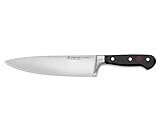


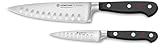
Last update on 2026-10-22 / Affiliate links / Images from Amazon Product Advertising API
See all Wusthof Knives on Amazon
What This Type of Knife Is Good For
The Nakiri is specifically designed for vegetable preparation. Its flat profile allows for maximum contact with the cutting board, making it perfect for straight, precise cuts without the rocking motion typical of chef’s knives. This makes it excellent for slicing delicate vegetables like cucumbers and tomatoes as well as tougher roots such as carrots and potatoes. The squared-off tip is particularly useful for push cuts and scooping chopped ingredients off the board. Unlike some multipurpose knives, the Nakiri excels in speed and uniformity when prepping plant-based meals.
Key Features to Look For
- 🔪 Blade Length: Typically between 6 to 7 inches, balancing control and cutting surface.
- 🛠️ Blade Material: High-carbon stainless steel for sharpness and corrosion resistance.
- ⚖️ Weight and Balance: Evenly balanced for comfortable, fatigue-free use.
- 🖐️ Handle Design: Ergonomic handles that fit well in hand for extended prep work.
- 🔧 Edge Geometry: A straight, thin edge with a 15-degree bevel on each side for clean cuts.
- 🌿 Finish: A smooth polished finish or a hammered tsuchime finish for aesthetic and functional benefits.
Blade and Steel Notes
The Wusthof Crafter Nakiri features a blade forged from high-carbon stainless steel, specifically Wusthof’s proprietary X50CrMoV15 steel alloy. This composition is known for excellent edge retention and resistance to rust and staining, important for vegetable juices that can be acidic. The blade is sharpened to a 15-degree angle per side, which is slightly more acute than many Western knives, allowing for sharper and more precise slicing. The flat blade profile minimizes rocking, facilitating push-cutting techniques favored in vegetable prep. Compared to traditional Japanese nakiris made from softer carbon steel, the Wusthof blade offers greater durability with less frequent sharpening required.
Ergonomics and Carry/Handling
The Crafter Nakiri’s handle is crafted from walnut wood, designed to provide a warm, natural grip that balances well with the blade. It’s slightly contoured to fit comfortably in most hand sizes, reducing wrist strain during repetitive chopping tasks. The tang extends fully into the handle, enhancing stability and durability. While it is heavier than typical Japanese-style knives, this weight translates into better momentum when chopping through firmer vegetables. For home cooks who prepare large quantities of produce, this ergonomic balance can reduce fatigue. The knife’s overall length and shape make it easy to store in kitchen blocks or protective sheaths without risk of damage.
Real-World Use Cases
In everyday kitchen scenarios, the Wusthof Crafter Nakiri excels at chopping onions finely without bruising, dicing potatoes uniformly for even cooking, and slicing bell peppers cleanly without tearing the flesh. Professional chefs appreciate its sharp edge for julienne cuts and chiffonade preparations. Compared to a chef’s knife, the Nakiri is more efficient for vegetable work but less versatile for meat or boning tasks. It’s particularly advantageous in plant-based cooking, salad preparation, and recipes requiring precise, thin cuts. Its design also makes it easier to scoop up and transfer chopped vegetables with ease, a seemingly small but impactful convenience.
Pros
- Exceptional sharpness with excellent edge retention
- High-quality German steel resists rust and corrosion
- Ergonomic walnut handle offers comfortable grip
- Flat blade profile ideal for straight cuts and chopping
- Beautiful craftsmanship with lasting durability
- Good balance between weight and control
Cons
- Heavier than traditional Japanese nakiris, which may affect speed for some users
- Price is higher compared to entry-level vegetable knives
- Not suited for tasks beyond vegetable prep, limiting versatility
- Requires proper maintenance to keep edge sharp and prevent handle damage
Who It’s Best For
The Wusthof Crafter Nakiri is ideal for home cooks and professional chefs who value precise vegetable cutting and durability in their tools. It suits those who prefer a Western-style weight and balance combined with the cutting efficiency of a Japanese blade design. If you frequently prepare plant-forward meals or enjoy meticulous vegetable prep work, this knife will elevate your kitchen experience. Conversely, if you require a multipurpose knife for meat, fish, and vegetables, a chef’s knife or santoku may be more practical. Understanding how the Nakiri compares to other knives can be enhanced by reviewing our guide on types of knives and their uses.
What to Watch Out For
Despite its high-quality construction, the Wusthof Crafter Nakiri demands care to maintain peak performance. The wooden handle is susceptible to moisture damage if left wet, so it should be dried immediately after washing. The blade, while rust-resistant, is not rust-proof; prolonged exposure to acidic vegetable juices without cleaning can cause spotting. Additionally, the relatively thin edge requires sharpening with proper whetstones or professional services to avoid chipping or dulling. Users should also be mindful of the knife’s weight, which might require adjustment for those accustomed to lighter Japanese knives.
Maintenance Tips
To keep the Wusthof Crafter Nakiri performing optimally, hand wash it promptly after use and dry it thoroughly. Avoid dishwashers as the heat and detergents can damage both blade and handle. Regular honing with a ceramic rod will maintain edge alignment between sharpenings. Sharpen the blade every few months depending on usage; a 15-degree sharpening angle is critical to preserve its cutting performance. Treat the wooden handle periodically with mineral oil to prevent drying and cracking. Storing the knife in a magnetic strip or wooden block will protect the blade edge and ensure safety in your kitchen.
Final Thoughts
In summary, the Wusthof Crafter Nakiri offers a compelling option for cooks focused on vegetable preparation who want a durable, sharp, and beautifully crafted knife. Its blend of traditional nakiri design with robust German steel and ergonomic walnut handle makes it both functional and elegant. While it carries a higher price tag and requires mindful maintenance, the performance and comfort justify the investment for serious home chefs and culinary professionals alike. If your kitchen priorities include precision slicing and a dedicated vegetable knife, the Crafter Nakiri is well worth considering as a long-term tool. For deeper insights into choosing the right blade shape and maximizing your knife’s potential, explore our article on why blade shape matters more than brand.
Further Reading on Sagaknives
- How often you should sharpen a Japanese knife
- Knife collecting basics
- Types of knives and their uses
Last Updated on April 19, 2026