
Recommended: Best knife sharpening method — precision vs whetstones
How to get better results without overcomplicating things
The Fox FX-9CM04T Predator is a precision-crafted kitchen knife designed to meet the demands of serious culinary enthusiasts and professionals alike. Its blend of innovative blade geometry, quality materials, and ergonomic design makes it a standout option for anyone seeking a versatile, durable, and comfortable cutting tool. With a reputation for performance and reliability, the Predator is tailored to handle a variety of kitchen tasks with ease, from delicate slicing to heavier chopping.
Understanding where this knife excels and where it may fall short is crucial before making a purchase. Whether you are upgrading your collection or searching for a reliable everyday kitchen companion, the Fox FX-9CM04T Predator offers features worth close examination. Its positioning within Fox’s lineup emphasizes precision and durability, setting it apart from both budget and high-end competitors.

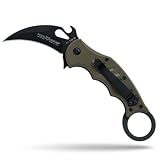
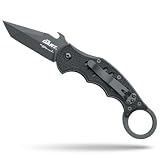

Last update on 2026-10-20 / Affiliate links / Images from Amazon Product Advertising API
What This Type of Knife Is Good For
The Fox FX-9CM04T Predator is primarily a chef’s knife designed for versatility. Its broad, tapering blade excels in slicing, dicing, mincing, and chopping, making it suitable for vegetables, fruits, meats, and herbs alike. Unlike specialized knives, this model handles a wide range of kitchen tasks, reducing the need for multiple tools. Its design also caters well to both home cooks and professional chefs who demand consistency and precision across varied food preparation styles.
Key Features to Look For
- 🔪 Blade Material: High-carbon stainless steel for sharpness and corrosion resistance.
- ⚖️ Weight and Balance: Balanced blade and handle for controlled cutting motions.
- 🖐️ Ergonomic Handle: Comfortable grip that reduces fatigue during extended use.
- 🪓 Edge Geometry: Precision-ground edge for optimal sharpness and retention.
- 🔧 Full Tang Construction: Enhances durability and strength.
- 💧 Maintenance Ease: Materials and design that allow straightforward sharpening and cleaning.
Blade and Steel Notes
The Predator’s blade is crafted from 9Cr18MoV stainless steel, a high-carbon alloy well-regarded in the culinary world for its balance between hardness and corrosion resistance. This steel stands out for holding a keen edge longer than typical stainless steels, yet it remains easier to sharpen than some high-hardness alternatives like VG-10 or S30V. The blade’s geometry features a relatively thin, precise edge bevel, typically around 15 degrees per side, which promotes cleaner cuts and enhanced food presentation.
Compared to lower-end knives with softer steel, the Fox FX-9CM04T maintains sharpness through repeated use, minimizing the need for frequent honing. However, it requires proper care to avoid chipping, as the harder edge sacrifices a bit of toughness. This trade-off makes it ideal for slicing but less suited to heavy chopping on bones or frozen foods.
Ergonomics and Carry/Handling
The handle on the Predator is molded from a durable polymer composite with a slight texturing that provides a secure grip, even when wet. Its contoured design fits comfortably in most hand sizes, offering excellent control for precise cutting tasks. The full tang construction adds heft and stability, contributing to a balanced feeling that reduces wrist fatigue during prolonged use.
Unlike some kitchen knives with overly bulky handles or slippery finishes, this model emphasizes a natural hand position and tactile feedback. The knife’s weight distribution allows fluid rocking motions for chopping herbs while maintaining firmness for push cuts. For users transitioning from lighter utility knives, the Predator’s robust feel may require a brief adjustment period but ultimately offers superior handling.
Real-World Use Cases
In practical kitchen environments, the Fox FX-9CM04T Predator shines during meal prep that involves frequent slicing and dicing of a variety of ingredients. For example, it is excellent for breaking down larger vegetables like cabbage or butternut squash, where the wide blade helps scoop and transfer cut pieces. It also excels at filleting fish or trimming meats thanks to the sharp, precise edge.
Unlike specialized knives such as boning or paring tools, the Predator covers a broad spectrum of tasks without compromise. It is well-suited for busy home cooks who prefer a single reliable knife and professional chefs requiring a dependable workhorse. If your prep includes a lot of detailed chopping, this knife performs comparably to more expensive Japanese chef knives but at a more accessible price point.
Pros
- Excellent edge retention and sharpness due to 9Cr18MoV steel
- Ergonomic handle offers comfortable, secure grip
- Full tang design enhances balance and durability
- Versatile blade shape suitable for a wide range of kitchen tasks
- Easy to maintain with proper sharpening tools
- Well suited for both professional and home kitchens
Cons
- Harder steel edge can be more prone to chipping if misused
- Not ideal for heavy-duty chopping on bones or frozen foods
- Handle material may feel less premium compared to wooden or micarta options
- Weight may be slightly heavier than ultra-light knives, requiring adjustment
Who It’s Best For
The Fox FX-9CM04T Predator is best suited for culinary enthusiasts and professional chefs who want a high-performance chef’s knife without stepping into ultra-premium price ranges. If you value edge retention and precise slicing over heavy chopping or butchery, this knife fits perfectly. It’s also a strong candidate for cooks interested in improving their knife skills with a tool that supports varied techniques.
This knife is less suitable for beginners who may prefer softer steel that can endure more abuse or for those whose primary kitchen work involves specialty tasks requiring paring or boning knives. To explore the full spectrum of knife types and their best uses, you may want to review this detailed guide at SAGA Knives: Types of Knives and Their Uses.
What to Watch Out For
When using the Predator, avoid cutting through bones or extremely hard materials to prevent chipping the edge. Always use a proper cutting board, preferably wood or high-quality plastic, to maintain blade integrity. Additionally, despite the corrosion-resistant steel, prolonged exposure to moisture or acidic foods without cleaning can cause discoloration or rust spots, so prompt washing and drying are recommended.
Also, be cautious with sharpening techniques; an overly aggressive angle can reduce edge longevity. For optimal edge maintenance, consider using water stones or guided sharpening systems rather than pull-through sharpeners. For more insights on how blade shape and sharpness impact performance, refer to this resource: Why Blade Shape Matters More Than Brand.
Maintenance Tips
- Hand wash immediately after use and dry thoroughly to prevent corrosion.
- Use a honing steel regularly to maintain edge alignment between sharpenings.
- Sharpen using water stones or diamond stones at approximately 15 degrees per side.
- Store in a knife block, magnetic strip, or protective sheath to avoid dulling.
- Occasionally apply a light coat of mineral oil to the blade to protect against moisture.
- Avoid dishwasher cleaning, which can degrade both handle and blade.
Final Thoughts
The Fox FX-9CM04T Predator is a thoughtfully designed chef’s knife that balances performance, durability, and ergonomics. Its high-carbon stainless steel blade and comfortable handle make it a reliable choice for a variety of kitchen tasks, offering excellent value for cooks who want professional-grade quality without premium pricing. While it demands mindful use and maintenance, the payoff is a sharp, balanced knife that improves efficiency and enjoyment in food preparation.
Whether you are upgrading your primary kitchen knife or searching for a robust multi-purpose tool, the Predator stands out as an excellent candidate. By understanding its strengths and limitations, you can ensure it complements your cooking style perfectly.
Further Reading on Sagaknives
- Knife collecting basics
- How often you should sharpen a Japanese knife
- Types of knives and their uses
Last Updated on March 12, 2026