
Recommended: Best knife sharpening method — precision vs whetstones
Practical guidance and real-world tips for: How to Clean a Kitchen Knife Without Damaging the Finish
Cleaning a kitchen knife properly is essential to maintain its sharpness and preserve the finish. Many home cooks overlook the importance of gentle cleaning techniques, which can lead to premature wear, rust, or dulling of the blade. Whether you have a high-end chef’s knife or a specialized blade, knowing how to clean it without causing damage is critical to extending its lifespan and keeping it performing at its best.
Before diving into the cleaning process, it’s helpful to recognize that different knives, such as those discussed in our article on types of knives and their uses, may require subtle variations in care. Equally, understanding why blade shape matters more than brand informs the attention you give to each knife’s unique geometry and finish, which directly impacts how you approach cleaning.


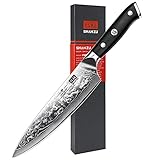

Last update on 2026-10-20 / Affiliate links / Images from Amazon Product Advertising API
See all Japanese chef knife on Amazon
What You’ll Need (tools/materials)
- Soft sponge or cloth (microfiber preferred)
- Mild dish soap (phosphate-free recommended)
- Warm water
- Non-abrasive brush (optional, for stubborn residue)
- Knife drying towel or soft microfiber cloth
- Cut-resistant gloves (optional, for safety)
- Mineral oil or knife-specific blade oil (for maintenance)
Step-by-Step Method
- Immediate rinsing: Right after use, rinse the blade briefly under warm running water to remove food particles. Avoid letting acidic or salty ingredients sit on the blade too long as they can damage the finish.
- Apply mild soap carefully: Dampen your sponge or cloth and add a small amount of mild dish soap. Gently wipe the blade from spine to edge, following the original grind angle to avoid scratching.
- Focus on the handle junction: This is a common spot where grime and moisture accumulate. Use a soft brush if necessary, but never scrub aggressively.
- Rinse thoroughly: Use warm water to rinse away all soap residue. Any remaining soap can affect the blade’s finish over time.
- Dry immediately: Use a soft, dry towel to pat the knife dry completely. Avoid air drying, which can encourage rust or water spots.
- Optional oiling: For carbon steel blades or knives with delicate finishes, apply a thin layer of mineral oil or knife oil using a clean cloth to protect against moisture.
- Store properly: Place the knife in a knife block, magnetic strip, or protective sheath designed for your blade shape to prevent damage.
Common Mistakes to Avoid
- Using abrasive scrubbers: Steel wool, rough brushes, and scouring pads can scratch and dull the blade’s finish.
- Soaking the knife: Leaving knives submerged in water can cause handle damage and promote rust, especially on high-carbon steel blades.
- Dishwasher cleaning: Dishwashers expose knives to harsh detergents and turbulent water, which degrade the blade, finish, and handle over time.
- Using harsh chemicals: Bleach or strong cleaners can strip protective coatings and cause discoloration.
- Neglecting drying: Allowing water to sit on knives leads to water spots, corrosion, and potential pitting.
Troubleshooting
- Blade discoloration or rust spots: Gently rub with a mixture of baking soda and water using a soft cloth. Rinse and dry thoroughly afterward. For persistent rust, use a specialized rust eraser designed for knives.
- Sticky residue on blade: If cooking oils or adhesives remain, apply a small amount of rubbing alcohol to a cloth and wipe gently, then rinse and dry.
- Handle looseness after cleaning: Excess water can weaken rivets or adhesives; ensure the knife is dried immediately and stored correctly. If looseness persists, consult a professional for handle repair.
- Loss of blade sheen: Use a non-abrasive metal polish specifically formulated for kitchen knives sparingly to restore shine without damaging the blade.
Safety Notes (non-weapon framing)
- Always handle knives with care during cleaning to avoid accidental cuts. It’s best to clean knives one at a time, focusing your attention fully on the blade.
- Use cut-resistant gloves if you are uncomfortable handling a sharp edge while cleaning.
- Keep cleaning tools and knives separate from other dishes to prevent accidents.
- Store knives safely after cleaning to avoid accidental contact by children or pets.
Maintenance and Long-Term Tips
- Regular honing: Use a honing rod to realign the blade edge after every few uses.
- Periodic sharpening: Depending on use, sharpen your knives professionally or with quality sharpening tools. This preserves the edge and prevents the need for aggressive sharpening that can remove finish.
- Proper storage: Avoid loose drawers where blades rub against other utensils. Use dedicated knife blocks, magnetic strips, or blade guards.
- Check handle condition: For wooden handles, occasionally apply food-safe mineral oil to prevent drying and cracking.
- Understand your knife’s specifics: The finish and steel type affect cleaning frequency and methods. Learn more about blade designs at why blade shape matters more than brand to tailor your care routine accordingly.
Final Thoughts
Proper cleaning is a cornerstone habit for any knife owner who values performance and longevity. By avoiding common pitfalls and following a careful, step-by-step approach, you preserve not only the blade’s finish but also its sharpness and structural integrity. Investing a little time into daily cleaning and long-term maintenance ensures your knives remain reliable kitchen tools for years to come.
Further Reading on Sagaknives
- How often you should sharpen a Japanese knife
- Why blade shape matters more than brand
- Types of knives and their uses
Last Updated on June 21, 2026