
Recommended: Best knife sharpening method — precision vs whetstones
Practical guidance and real-world tips for: How to Hone a Kitchen Knife: What Honing Actually Does
Honing a kitchen knife is an essential skill that many home cooks overlook, yet it greatly impacts the knife’s performance and longevity. Unlike sharpening, honing doesn’t remove metal from the blade; instead, it realigns the edge’s microscopic teeth, which bend and wear during regular use. This subtle process helps maintain sharpness between sharpenings, preserving the blade’s cutting efficiency and making food preparation safer and more enjoyable.
Understanding what honing actually does will help you use your knives more effectively and avoid unnecessary sharpening that shortens their lifespan. Whether you’re using a chef’s knife, paring knife, or any other blade, regular honing ensures cleaner cuts and a better overall kitchen experience. For more on choosing the right blade, see our guide on types of knives and their uses.


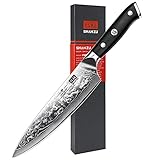
Last update on 2026-10-13 / Affiliate links / Images from Amazon Product Advertising API
See all Japanese chef knife on Amazon
What You’ll Need (Tools/Materials)
- Honing Steel: A ceramic, steel, or diamond-coated honing rod designed for realigning the blade edge.
- Clean, dry kitchen towel or non-slip mat: To stabilize your work surface.
- A well-lit workspace: Proper lighting helps you maintain consistent angles.
- Knife to be honed: Preferably a kitchen knife that is dull or slightly misaligned but not completely blunt.
Step-by-Step Method
- Prepare your workspace: Place the honing steel on a stable surface or hold it vertically with the tip resting securely on a cutting board or towel.
- Grip the honing steel firmly: Hold the steel handle with your non-dominant hand, ensuring it does not slip during the process.
- Position the knife at the correct angle: Most kitchen knives require a honing angle between 15° and 20°. To visualize, hold the blade so it forms about half the angle of a right angle (90°) against the rod.
- Start honing the first side:
- Place the heel of the blade against the top of the honing steel near the handle.
- Draw the blade down and towards you while maintaining the angle, moving from heel to tip.
- Use moderate, even pressure; avoid forcing the blade.
- Repeat on the opposite side: Flip the knife and repeat the same motion on the other side of the steel.
- Alternate sides for 5-10 passes each: Typically, 5-10 strokes per side will realign the edge sufficiently.
- Check your progress: Carefully test the blade on a tomato or paper to see if the edge feels sharper and smoother.
Common Mistakes to Avoid
- Using the wrong angle: Too steep or too shallow an angle can damage the edge or fail to realign it properly.
- Applying excessive pressure: Honing requires gentle but firm strokes; pressing too hard can wear the blade unnecessarily.
- Honing instead of sharpening: If your knife feels dull and doesn’t improve after honing, it likely needs sharpening to remove metal and redefine the edge.
- Skipping regular honing: Waiting too long between honing sessions allows the blade to deteriorate, making sharpening more frequent and intensive.
- Using a honing steel on serrated or ceramic blades: These require different maintenance methods; using a steel can ruin them.
Troubleshooting
If the knife still seems dull after honing, consider these factors:
- Edge damage: Nicks or chips cannot be fixed by honing; sharpening or professional repair is needed.
- Incorrect steel type: Diamond-coated rods can sharpen slightly; ceramic and traditional steel hone only realign. Choose according to your blade’s steel type.
- Inconsistent angle: Practice holding the knife at the angle by checking against a protractor or angle guide to ensure accuracy.
- Blade material and design: Harder steels hold an edge longer but may require less frequent honing. Consult resources like why blade shape matters more than brand to understand how blade geometry affects maintenance.
Safety Notes (Non-Weapon Framing)
- Use slow, controlled motions: Avoid rushing to prevent slips that could cause cuts.
- Secure your workspace: Ensure the honing steel and knife are dry and your surface is stable to avoid accidents.
- Keep fingers clear: Hold the knife handle firmly and keep your fingers away from the blade’s path.
- Wear protective gloves if preferred: Cut-resistant gloves can provide added safety for beginners.
Maintenance and Long-Term Tips
Regular honing extends the time between full sharpenings and helps maintain your knives’ peak performance. Establish a routine based on your usage frequency—weekly honing works well for daily cooks, while casual users might hone biweekly or monthly. Store knives properly in a block or on a magnetic strip to prevent edge damage. Avoid dishwashers as harsh detergents and heat can degrade blade integrity. Periodically inspect edges for wear and schedule professional sharpening or learn to sharpen yourself as an essential skill. Remember that honing complements sharpening, not replaces it.
Final Thoughts
Mastering how to hone your kitchen knives maximizes their efficiency, safety, and lifespan. Honing realigns the blade’s edge, ensuring precise cuts and reducing the need for frequent sharpening. By using the right tools, maintaining proper technique, and understanding your knife’s unique characteristics, you can keep your kitchen knives performing at their best. To deepen your knife knowledge and optimize your culinary skills, explore our comprehensive guides on types of knives and their uses as well as why blade shape matters more than brand. With consistent practice and care, honing will become a seamless part of your kitchen routine, delivering professional-level results every day.
Further Reading on Sagaknives
Last Updated on June 14, 2026