
Recommended: Best knife sharpening method — precision vs whetstones
Clear steps, pitfalls to avoid, and what actually works
The Kamikoto Santoku Chef Knife is often praised for its blend of traditional Japanese craftsmanship and modern functionality. This knife stands out with its precision-forged blade and elegant design, making it a compelling option for both home cooks and professional chefs. However, with a premium price tag, many potential buyers wonder if it truly delivers value compared to other Santoku knives on the market. This article will break down its features, performance, and suitability to help you make an informed decision.
The Santoku style, originating from Japan, is a versatile all-purpose kitchen knife designed for slicing, dicing, and mincing. Kamikoto’s Santoku offers a thin, sharp blade crafted from high-quality steel, promising excellent edge retention and cutting precision. It’s important to consider not only the blade material and shape but also ergonomics and maintenance requirements before investing in a high-end knife. For a deeper dive into how different blade shapes influence cutting performance, you may want to explore our detailed guide on why blade shape matters more than brand.


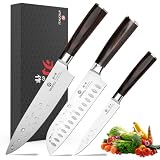
Last update on 2026-10-21 / Affiliate links / Images from Amazon Product Advertising API
See all Kamikoto Knives on Amazon
What This Type of Knife Is Good For
The Santoku is known as a “three virtues” knife, excelling at chopping, slicing, and dicing. Its shorter, wider blade compared to Western chef knives makes it ideal for precise vegetable prep, boneless meats, and fish. The Kamikoto Santoku’s razor-sharp edge and balanced weight distribution allow for clean cuts and fine julienne work. Whether you’re preparing stir-fries, salads, or sushi ingredients, this knife’s versatility shines. For a comprehensive overview of knife types and their best uses, be sure to visit our types of knives and their uses page.
Key Features to Look For
- 🔪 Blade Material: High-carbon stainless steel for edge retention and rust resistance
- 🛠️ Forged vs Stamped: Forged blades offer better balance and durability
- ⚖️ Weight and Balance: Well-balanced to minimize hand fatigue during extended use
- 👋 Handle Design: Ergonomic grip, often with natural materials like wood or composite
- 🎨 Finish: Polished or matte finish to reduce food sticking and ease cleaning
Blade and Steel Notes
The Kamikoto Santoku knife uses VG10 stainless steel, a renowned premium Japanese steel known for its hardness (typically around 60 HRC), edge retention, and corrosion resistance. The blade is traditionally single-beveled or has a double bevel with a very acute edge angle, often between 12° to 15° per side, allowing for extremely precise cuts and minimal food tearing. Compared to Western Santoku knives, which often have thicker, more robust edges (around 20°-22° per side), the Kamikoto offers a sharper, more delicate edge suitable for fine slicing.
The blade’s geometry is optimized with a slight curve towards the tip, facilitating both rocking cuts and forward slicing motions, making it versatile across various cutting techniques. However, the thinness of the blade means it requires more careful handling to avoid chipping when used on hard materials like bone or frozen food.
Ergonomics and Carry/Handling
The Kamikoto Santoku features an octagonal handle made from natural Magnolia wood, which offers a comfortable grip and a traditional Japanese aesthetic. The handle’s shape promotes precise control and reduces hand fatigue during repetitive tasks. Its relatively light weight, paired with a well-balanced design, ensures ease of maneuverability without sacrificing power.
Unlike Western-style handles that emphasize heft, this knife’s design leans toward finesse and control, which may require some adjustment if you’re accustomed to heavier chef knives. Its length, typically around 170mm (6.7 inches), strikes a balance between control and cutting surface, making it suitable for medium to small hands.
Real-World Use Cases
The Kamikoto Santoku excels in a variety of kitchen scenarios: chopping herbs finely, dicing onions cleanly, and slicing sashimi with precision. Professional chefs appreciate its ability to maintain a razor-sharp edge throughout busy service periods, while home cooks benefit from its ease of use and versatility. It’s particularly effective for Japanese cuisine but also adapts well to Western-style cooking, including meat preparation and vegetable work.
However, it’s less suited for heavy-duty tasks such as cutting through bone or frozen foods, where a thicker, sturdier blade is preferable. In such cases, pairing it with a heavier chef’s knife or cleaver is advisable.
Pros
- Exceptional sharpness and edge retention
- Beautiful craftsmanship and elegant design
- Well-balanced and lightweight for extended kitchen use
- Corrosion-resistant VG10 steel
- Ergonomic handle offering excellent control
Cons
- Premium price point may be prohibitive for casual users
- Blade thinness requires careful maintenance to avoid chipping
- Not suitable for heavy-duty tasks like bone cutting
- Handle material can be sensitive to moisture and requires care
Who It’s Best For
If you are a serious home cook or professional chef who values precision, knife balance, and aesthetic, the Kamikoto Santoku is an excellent investment. It suits those who prepare a lot of fresh vegetables, fish, and boneless meat. If you prefer a knife that excels at delicate slicing and fine prep work rather than brute force chopping, this knife fits that profile well. However, if you require a multi-purpose knife that can handle heavy-duty kitchen tasks, you might want to consider complementing it with other knives or looking at sturdier options.
What to Watch Out For
Because the Kamikoto Santoku’s blade is thin and sharp, avoid cutting through bones or frozen foods to prevent chipping. Also, the Magnolia wood handle, while beautiful, can absorb moisture if left wet, potentially affecting durability. Always dry the knife thoroughly after washing, and avoid dishwashers. Additionally, the blade’s sharpness demands careful storage; using a proper knife block or sheath is recommended to protect the edge.
Maintenance Tips
- 🧽 Hand wash with mild soap and dry immediately after use
- 🔪 Regularly hone with a ceramic rod to maintain the edge
- 🪒 Sharpen using whetstones, ideally between 1000-6000 grit, maintaining the original edge angle
- 🌡️ Avoid extreme temperature changes to protect the blade and handle
- 🛡️ Store in a knife block, magnetic strip, or protective sheath to prevent damage
Final Thoughts
The Kamikoto Santoku chef knife is a testament to high-quality Japanese craftsmanship, blending sharpness, balance, and beauty into one effective kitchen tool. While it commands a higher price point, its performance, edge retention, and ergonomic design justify the investment for those committed to cooking with precision and care. If you prioritize fine slicing, vegetable prep, and value a traditional aesthetic, it’s worth considering. Just be mindful of its limitations in heavy-duty tasks and commit to proper maintenance to enjoy this knife for years to come.
Further Reading on Sagaknives
- How often you should sharpen a Japanese knife
- Why blade shape matters more than brand
- Types of knives and their uses
Last Updated on April 3, 2026